Security & Fraud Awareness Tips: Security & Fraud Awareness Tips:
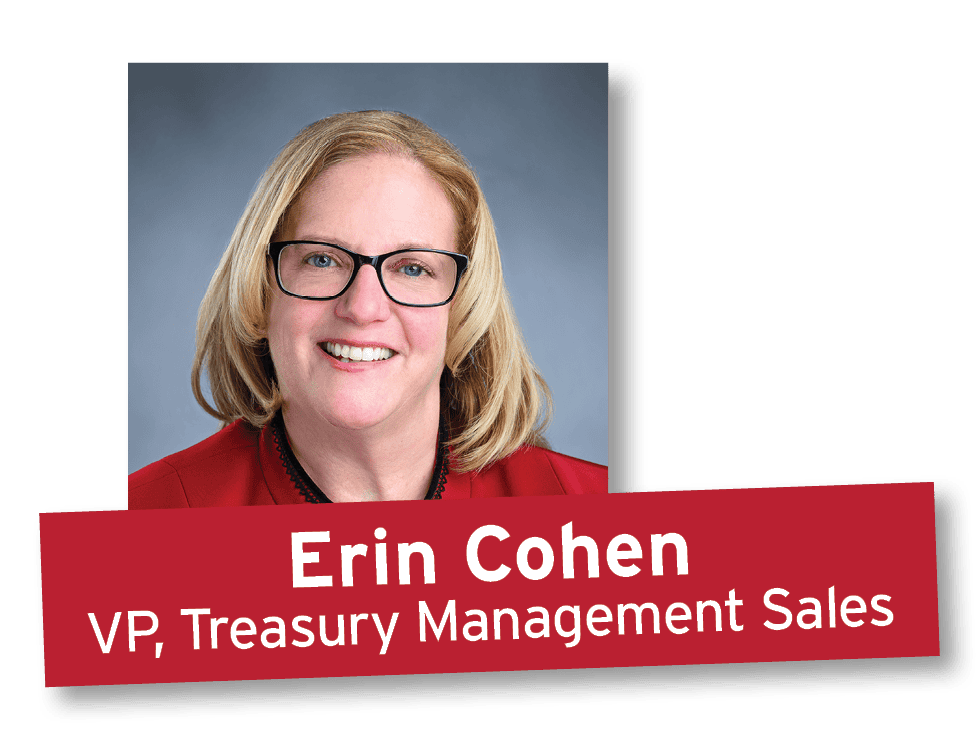
Erin works closely with businesses to help them understand financial risks and implement solutions designed to better protect their accounts and operations.
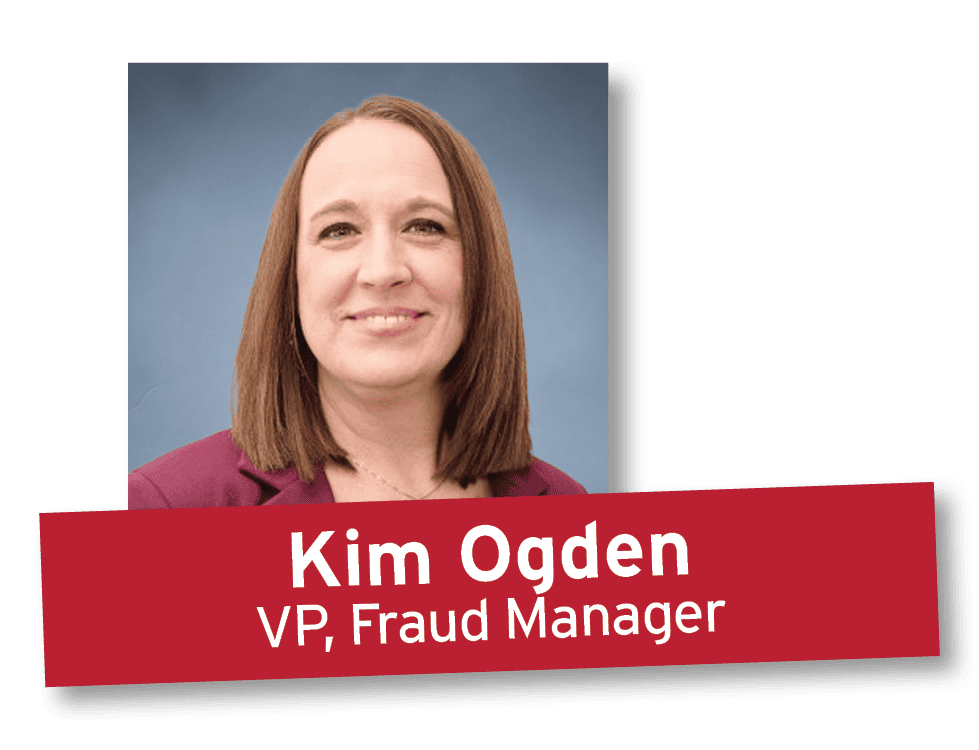
Kim brings extensive banking experience to help identify, prevent, and respond to fraud while educating customers and staff about emerging threats.
What fraud or cybersecurity threats are you seeing most often today, and how are they affecting individuals and businesses?
Erin: Investment scams involving cryptocurrency, including Bitcoin, continue to cause significant financial losses. These scams can unfold over weeks or even months as fraudsters build trust and convince victims that an investment is legitimate. Individuals may be approached through social media or dating apps, while businesses can be targeted by fraudsters posing as trusted contacts promising unusually high or guaranteed returns. Once money is sent through cryptocurrency, recovering those funds can be extremely difficult. Unfortunately, many victims don’t realize they’ve been scammed until they’ve already lost a substantial amount of money.
Kim: One of the most prevalent threats the industry is experiencing is phishing coupled with spoofing, which results in cases of fraud and stolen funds. Impersonators use trusted business names to trick you into believing they are from a legitimate business. These tactics can fool consumers into sharing one-time passcodes, account credentials, account numbers, and other personal information with scammers. That’s why it’s important to pause and verify who’s really contacting you before providing sensitive information.
What are some common mistakes you’ve seen individuals and businesses make that leave them vulnerable to fraud?
Kim: Applicable especially for small to medium-sized businesses, a common mistake is the belief that “it will never happen to us.” Fraudsters target these businesses because they count on vulnerabilities within security infrastructure and employee training. A common mistake for individuals is falling for scare tactics which create pressure, fear, or a false sense of urgency. Scammers rely on this in an attempt to get you to act before thinking rationally.
Erin: For businesses, protecting against financial fraud requires both technology and staff training. Maintaining secure backups of important data (including a copy that cannot be altered by ransomware), having Positive Pay to identify unauthorized transactions, and making sure default passwords and credentials are not auto-saved are all ways that businesses can avoid falling victim to common threats. For individuals, you can avoid common scams by confirming a requestor’s identity using a phone number you already know is legitimate before sharing important information.
Can you share one cybersecurity habit you would tell everyone to adopt?
Erin: Never share personal information with anyone unless you initiated the contact and you know who you are dealing with. In today’s fraud environment, always be skeptical.
Kim: Think before you click. Don’t automatically click links in emails, even when the message appears to come from a trusted source.
How has the rise of AI changed the way we should think about fraud and cybersecurity?
Kim: As fraudsters change their tactics and leverage new technology, we must do the same. Traditional methods of verification are becoming obsolete. Individuals and businesses need to be adaptable and dynamic with fraud prevention measures to strengthen how we verify identities, communications, and financial requests.
Erin: AI can be a helpful tool, but it can also help fraudsters create increasingly convincing scams. AI-generated videos, audio, and images make it more difficult to determine whether a communication is legitimate. Deepfake content can be spotted by distorted facial features, unnatural blinking or movements, a voice that does not match the video, unusual speech patterns, or inconsistent lighting and shadows. A key tip for avoiding these scams is to shred all personal files, including luggage tags.
What’s a real-world experience that changed the way you think about fraud prevention?
Erin: Earlier in my career, I worked with a small business whose server was compromised after an employee clicked a malicious link in an email. That gave a fraudster access to send fraudulent wire requests. I saw the emotional and financial toll the incident took on the customer as I helped them recover funds. The experience motivated me to join fraud prevention groups and continue learning about emerging scams. I use that knowledge today to help customers recognize risks and take steps to protect themselves and their businesses.
Kim: Early in my banking career, I was exposed to a large case which involved a business owner who stole many identities and obtained credit using his victim’s information. The scammer stole over $5 million and over 100 victim identities, only to gamble all the money away. This case shaped the way that I thought about identity theft, and the impact that it had on victims. From that day forward, I have been passionate about the prevention of white-collar crime.
For business banking customers, Meridian offers Positive Pay to prevent check or ACH fraud.
Upload a list of checks or ACH’s for matching to control unauthorized activity. If a payment presented doesn’t match what is on your list, you’ll decide if you want to pay or return it. If you’re interested in setting up Positive Pay for your business, fill out the form below to get started.
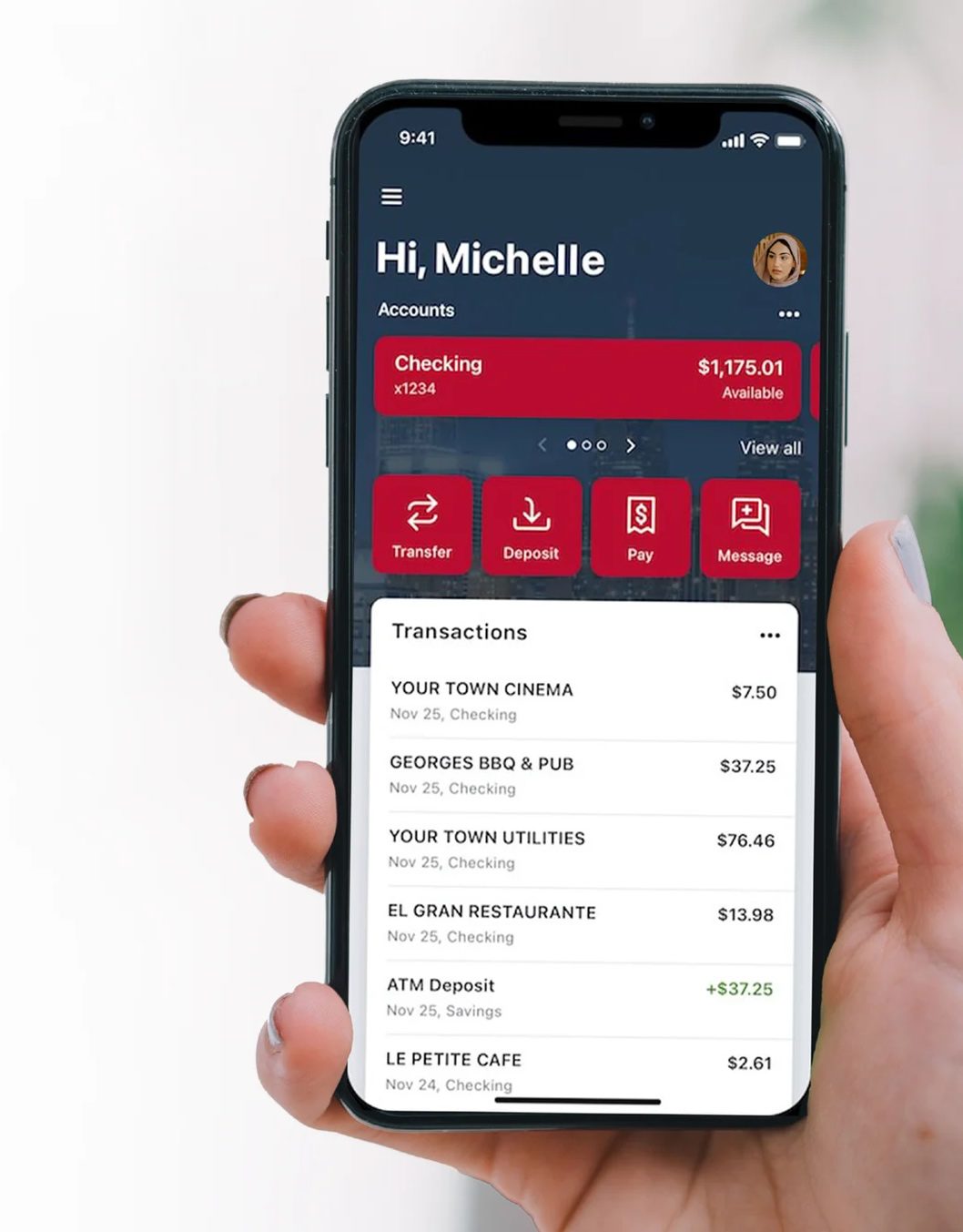
Not signed up for Digital Banking? Enroll today!
If you have a personal account, visit: meridianbanker.com/digital-banking
If you have a business account, please fill out the form below to get started.
Benefits Include:
- Electronic statements and notices
- Bill pay
- Account transfers
- Mobile deposit
- Card controls
- Account alerts
- Secure messaging